

In clinical and animal studies, high levels of the hormone estrogen were shown to lower the risk of MS relapse. The National Multiple Sclerosis Society notes that women typically experience fewer MS relapses during pregnancy due to bodily changes — such as hormone production. Even if your MS is being well-managed at a rehabilitation or recovery center, some symptoms need immediate attention. Some MS flare-ups can be managed through home care, and symptoms like fatigue, mental fog, and tingling generally disappear over time once the trigger is eliminated.
Stopping medications too soon
- Pregnant people with MS may experience a relapse after delivering their baby.
- Most of the time, a relapse happens after a gap of 30 days of longer without a flare-up.
- By reducing inflammation, DMTs can reduce disease activity and prevent new neurological damage.
- Your symptoms can last for a couple of days up to a couple of weeks.
Medications can interact with one another, which can cause side effects. These side effects could trigger an MS relapse or make symptoms worse. But a newer study points out that more research is needed to determine whether low vitamin D levels cause flare-ups or occur with them for another reason, such as lack of sun exposure during relapses or other factors. But stress can also stem from other sources, including work, personal relationships, or financial worries. If you suspect that you are experiencing a relapse, it is essential to contact your healthcare professional promptly. They can help determine whether your symptoms are due to a true relapse or a pseudo-relapse and recommend appropriate treatment options.

Do I need to go to the hospital for a flare-up?
Researchers have pinpointed several genetic factors that could lead to more frequent relapses. Hormones, especially reproductive hormones, can affect the likelihood of a relapse or the types of symptoms you experience during a relapse. It’s also essential to be aware of the symptoms of stroke, which should alert you to seek emergency medical care. However, in a 2018 study, researchers found that the only thinking skill that worsened during an MS relapse was information processing speed. In other words, while MS affects many of your thinking abilities, the only skill to worsen during a relapse is likely the speed at which you process information.
(COPE Track) Revolutionizing nAMD and DME Management: Collaborative Strategies in the Age of Durable Treatments
They can also assist with implementing lifestyle strategies, such as maintaining a healthy diet or engaging in appropriate physical activities, to improve overall quality of life for individuals with MS. Overexertion or engaging in intense physical activity can sometimes trigger a relapse or worsen existing symptoms. It’s essential to find types of relapse triggers a balance between staying active and avoiding overexertion to minimize the risk of relapses.
BACTERIAL INFECTIONS
- Depending on where the plaques form they can cause different symptoms, like vision loss, weakness, sensory changes, balance problems, double vision, slurred speech, or bladder problems.
- If you’re finding it hard to sleep well, you may find it more difficult to deal with everyday situations which wouldn’t usually be a problem.
- Your care provider may recommend a steroid medication for curbing inflammation to help you recover faster.
- Because nerves have already been damaged by MS inflammation, they are more sensitive to heat-related issues, which can result in a temporary worsening of symptoms.
- You might be more sensitive to some of the more common triggers than others.
This review included 9229 RRMS patients, 40 cohort studies, and 3 case-control studies.16–58 Nineteen studies had adjusted the immunomodulatory therapy. Factors included infection, pregnancy, postpartum, stress, vaccine, vitamin D, comorbidity, genes, smoking, obesity, age, lipid, gender, salt intake, temperature, the Kurtzke Expanded Disability Status Scale (EDSS). In these studies, 16 good quality studies, 25 fair quality studies, and 2 poor quality studies were identified by Newcastle-Ottawa Scale. MS relapses result from new inflammation or lesions forming in the central nervous system (CNS), primarily the brain https://planetmarketresearch.com/how-to-celebrate-your-soberversary/ and spinal cord. These inflammatory events interfere with the normal flow of electrical impulses along nerves, leading to a variety of symptoms that can differ in severity and duration.
Your relapses may be completely different from another person’s experience, and your own relapses may also be different from Alcoholics Anonymous one another. There have been reports of changes in lymphocyte subpopulations that can predict or support the occurrence of a relapse and that normalize after corticosteroid treatment 51,52. There are, however, no immune related biomarkers currently available outside research applications. There is also no evidence available on whether or not to treat large or numerous asymptomatic lesions involving the brainstem or spinal cord.
What’s causing my symptoms?

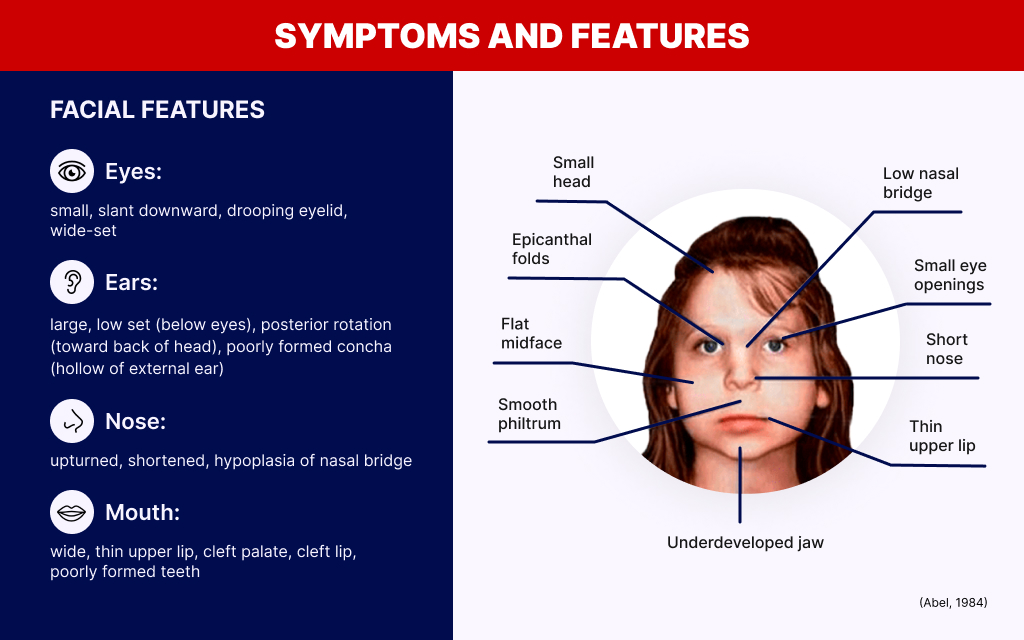
There is conflicting evidence on the association between corticosteroid use during pregnancy and the risk of cleft lip and/or cleft palate 37. There is little evidence that systemic corticosteroid use in pregnancy independently increases the risk of preterm birth, low birth weight, or preeclampsia. Currently, there is not enough evidence to determine whether systemic corticosteroids might contribute to gestational diabetes mellitus 38. High-dose corticosteroids administered for short periods (3–5 days) appear to be safe during pregnancy, especially in the second and third trimesters. MP should not be administered 8 weeks before or 8 weeks after the administration of live or attenuated live vaccines because of the increased risk of complications due to viral replication 35.