

Whoa! I installed a new browser wallet last week to test security features. It grabbed my attention fast because it felt different from the usual suspects. Initially I thought it was just another chrome extension with flashy UX, but then I dug into its transaction safety checks, how it handles approvals, and its approach to multi-chain account management, and things started to make sense. My instinct said there was real thought behind the design choices.
Seriously? The wallet organized approvals in a way that made reviewing permissions less painful. It showed token allowances and pending approvals without burying them in menus. On one hand I liked the clarity and reduced cognitive load, though actually I also missed some tiny conveniences from other wallets, so there was a trade-off. This part bugs me in most wallets, so seeing it improved felt refreshing.
Hmm… I connected a hardware key and an imported account to test isolation. It seemed to keep approvals separate per account which reduced accidental exposures. Actually, wait—let me rephrase that: I wasn’t testing every edge case, but in my hands-on the separation between account permissions and hardware confirmations felt safer than many competitors. My Midwest-born patience appreciated the straightforward and uncluttered prompts during approvals.
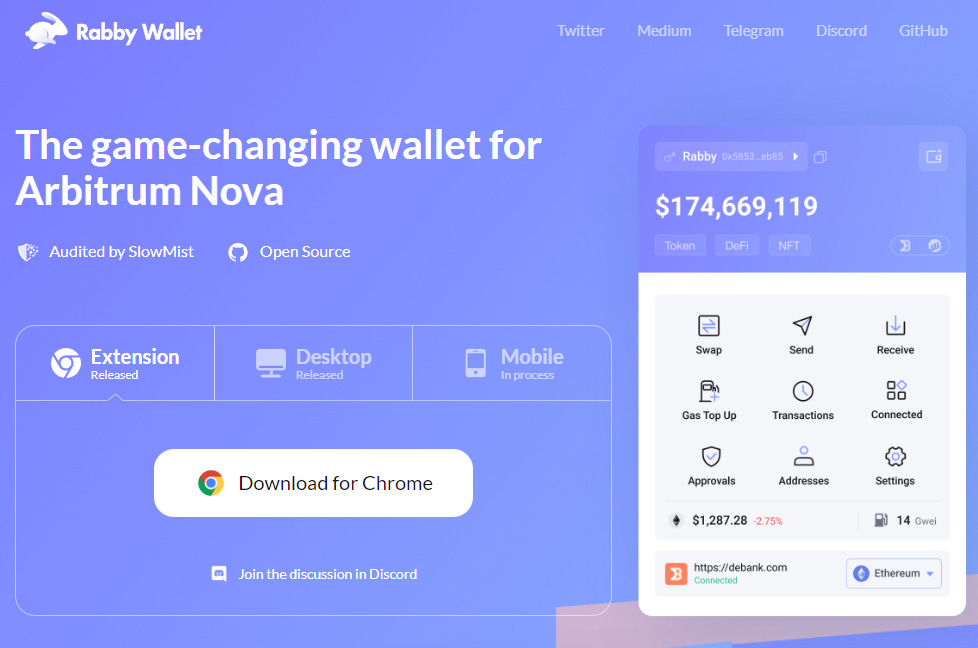
How I grabbed the extension
Check this out— Getting the extension was straightforward from a download page I trusted. I prefer installing extensions from clear sources and then reviewing permissions before connecting funds. If you want to try it yourself you can grab the extension via this official link to the rabby wallet, which leads to a page with install instructions, release notes, and basic troubleshooting tips so you don’t get stuck mid-setup. I always check extension permissions twice before importing accounts.
Whoa! Multi-chain support was slick and not just a checkbox. The token listings felt sensible rather than spammy or misleading. I hopped between Ethereum, BSC, and a testnet quickly and the extension kept network-specific settings intact. On top of that, having consistent approval controls across chains made bridging feel less risky in practice, though bridging always carries its own hazards.
I’ll be honest… The UX leans toward power users while keeping doable defaults for casual transfers. I liked the quick access to approval revocation and the account switcher. Somethin’ felt off about the onboarding copy though, because a few prompts assumed prior DeFi knowledge and didn’t explain the risks in plain English, which can be intimidating for folks newer to wallets. That said, the overall flow saved me time and reduced the chance of sloppy clicks.
Wow! Not everything is perfect, and there are trade-offs to consider. Some power features can overwhelm newcomers while advanced users will appreciate them. On one hand the extra checks reduce scams and accidental approvals, though actually they introduce extra confirmation steps that can frustrate people who value speed, so there’s a balancing act between safety and convenience. If you care about keeping approvals tidy, this wallet is worth a try.
I’m biased. I prefer wallets that nudge you toward safer habits without being naggy. Initially I thought another extension couldn’t shift how I manage approvals, but after using this one for a week I changed my workflow and started revoking stale allowances more often, which felt like a material improvement. Your mileage will vary with the dapps you use and network habits. I’m not totally certain, but it’s a solid pick to try.
FAQ
Is this safe to use with hardware wallets?
Really? Yes, in my testing the extension worked fine with a hardware key connected. It required the hardware confirmation for signing transactions, which is exactly the extra step I want. On one hand combining a hardware device with a browser extension sounds scary to some, though actually it’s a common and practical setup for day-to-day DeFi work. Always double-check the address and prompt details before confirming.
How do I download and install it securely?
Quick. Start from an official source and avoid random mirrors. Verify the extension name, read a few recent reviews, and review requested permissions before installing. If anything looks strange or very very out of place, stop and ask in the project’s community channels. Back up your seed phrase offline and never paste it into a website.